

B2B SEO Marketing and New Website Increases Fire Protection Company Revenue by 175%

Overview:
We’re Online Visibility Pros. This B2B SEO case study walks through how we helped a business to business fire protection maintenance and emergency equipment provider serving Greater Phoenix and Northern Arizona—go from an outdated website and no SEO footprint to a steady stream of qualified leads. Over two years, we replaced their legacy site with conversion-focused pages, executed a practical SEO strategy tuned to search intent, and used remarketing to re-engage the right audience.
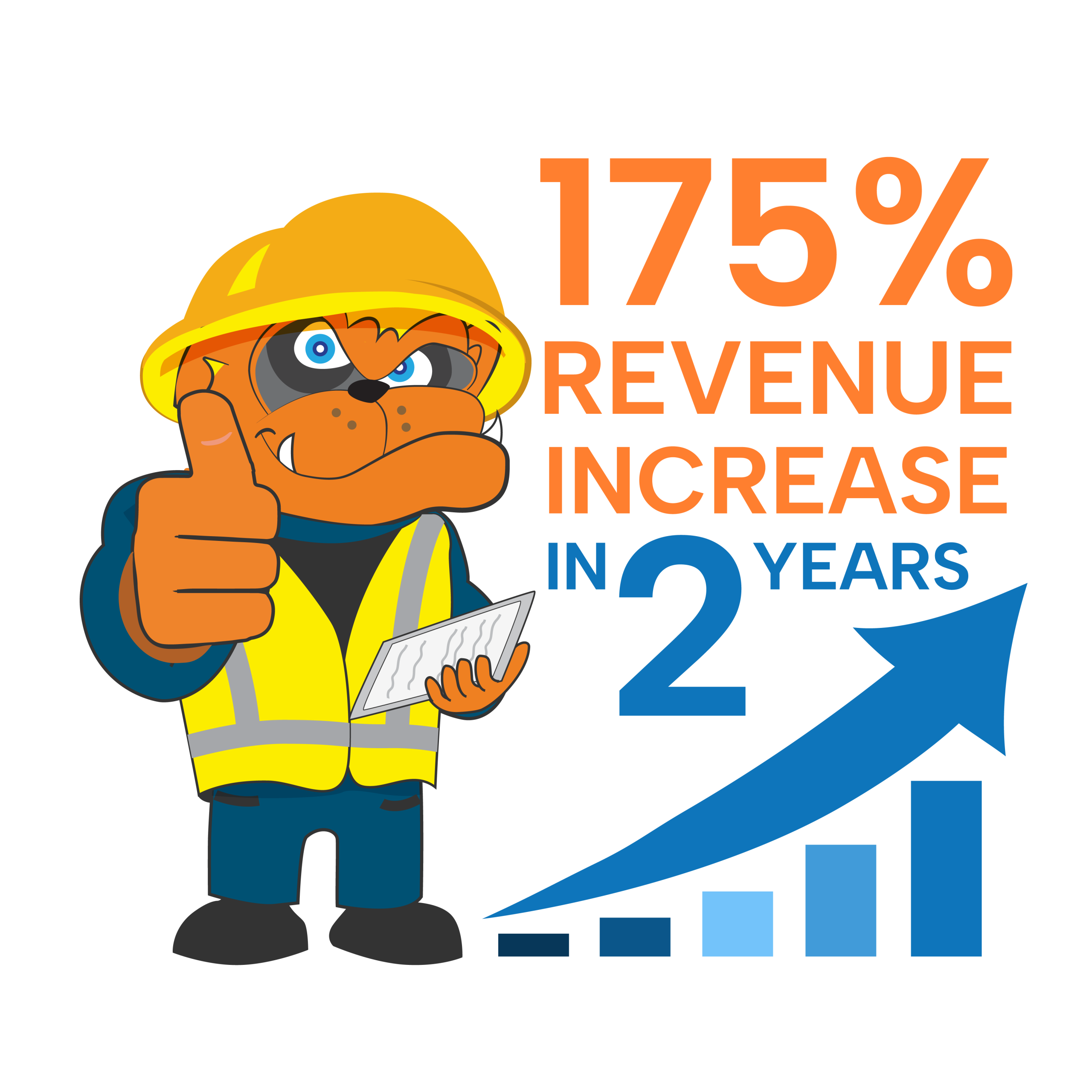
The outcome: consistent lead growth, better efficiency, and a 175% revenue increase.
If you’re evaluating B2B SEO services, you’ll see a clear, repeatable process that aligns with how decision makers actually search and buy.
The Challenge
Our client had real expertise—and none of it was obvious online. The company faced a familiar set of marketing obstacles:
- An outdated website that didn’t provide a positive user experience on mobile devices and made it hard to contact the team.
- No presence on search engines, so they were invisible on the search engine results pages (SERPs) and absent from local search results when their target audience was evaluating services.
- No in house capacity for planning or execution. The owner was busy running the business, not running campaigns.
- A structural disadvantage: as a service-area business, they lacked a public office, which can limit maximum visibility in local search engine results.
Internally, they weren’t sure a digital investment would pay off. Externally, competitors were capturing the traffic and customers. Our job was to simplify the path from search to sales and make the investment feel like a proven way to start generating leads.
Goals:
We set three concise goals aligned with B2B realities:
- Attract more traffic from search engines via targeted search engine optimization and a fully optimized Google Business Profile.
- Convert a meaningful share of site visitors into qualified leads with direct landing pages and clear CTAs crafted for a specific audience.
- Validate ROI quickly, then compound improvements across the sales funnel without adding unnecessary tools or complexity.
The Attack Plan
We built around three pillars—each designed for the target market and the realities of B2B search.
1) A Conversion-Ready Website With Strong On-Page Foundation

We rebuilt the website so decision makers could understand the services, locations, and next steps in seconds. Key moves:
- On page optimization that search and people appreciate: clean title tags, clear meta descriptions, logical headings, and fast load times for a positive user experience on mobile devices and desktop.
- Strong service pages and landing pages that match search intent—the kind of pages that answer “Do you serve my area?” and “How do I get a quote?” without friction.
- Focused content creation where it matters most. We chose to create content that shortens the distance to contact—FAQs, compliance notes, and coverage details—in addition to strategic blog posts, enhancing content strategy even more.
We didn’t chase vanity traffic. We pursued valuable keywords that reflect buying readiness, not just search volume.
2) Local B2B SEO That Maps to Real Buyer Behavior
With the foundation in place, we executed B2B seo tuned to service-area realities:
- We started by conducting keyword research around relevant keywords and long tail keywords that signal urgency and locality. Think keywords like “fire protection service Phoenix” (an example of strong intent), and variations across Greater Phoenix and Northern Arizona.
- We aligned service pages to those themes, refined title tags/meta descriptions, and made sure the site structure helped search engines understand service territories.
- We optimized the Google Business Profile and supported consistency across key listings—so buyers see the same company information wherever they land.
3) Remarketing to Recapture Considered Demand
We added Google remarketing to bring serious prospects back when timing improved. In B2B, visitors often evaluate, leave, and return later. Remarketing kept Certizona visible without leaning on full search engine marketing or pay per click Google Ads as primary channels. It complemented organic SEO by improving the yield on existing traffic—nudging the ideal customer to return when they were ready.
Results
Across two years, the numbers moved the right way—more leads, improved efficiency, and material revenue impact.
Year 1
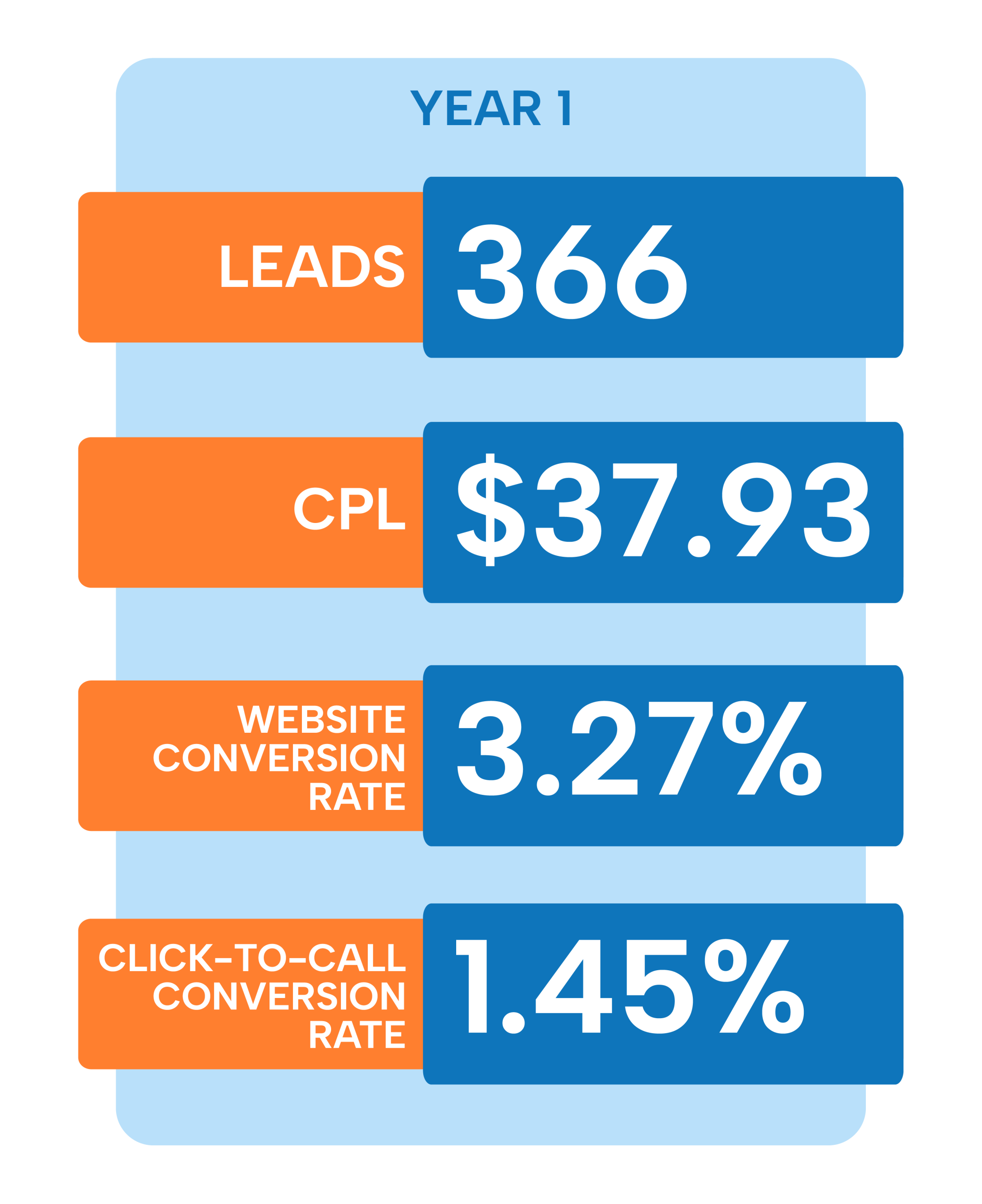
366 leads at $37.93 CPL, 3.27% website conversion rate, 1.45% Google Business Profile click-to-call conversion rate. A strong baseline with the new site and local visibility in place.
Year 2
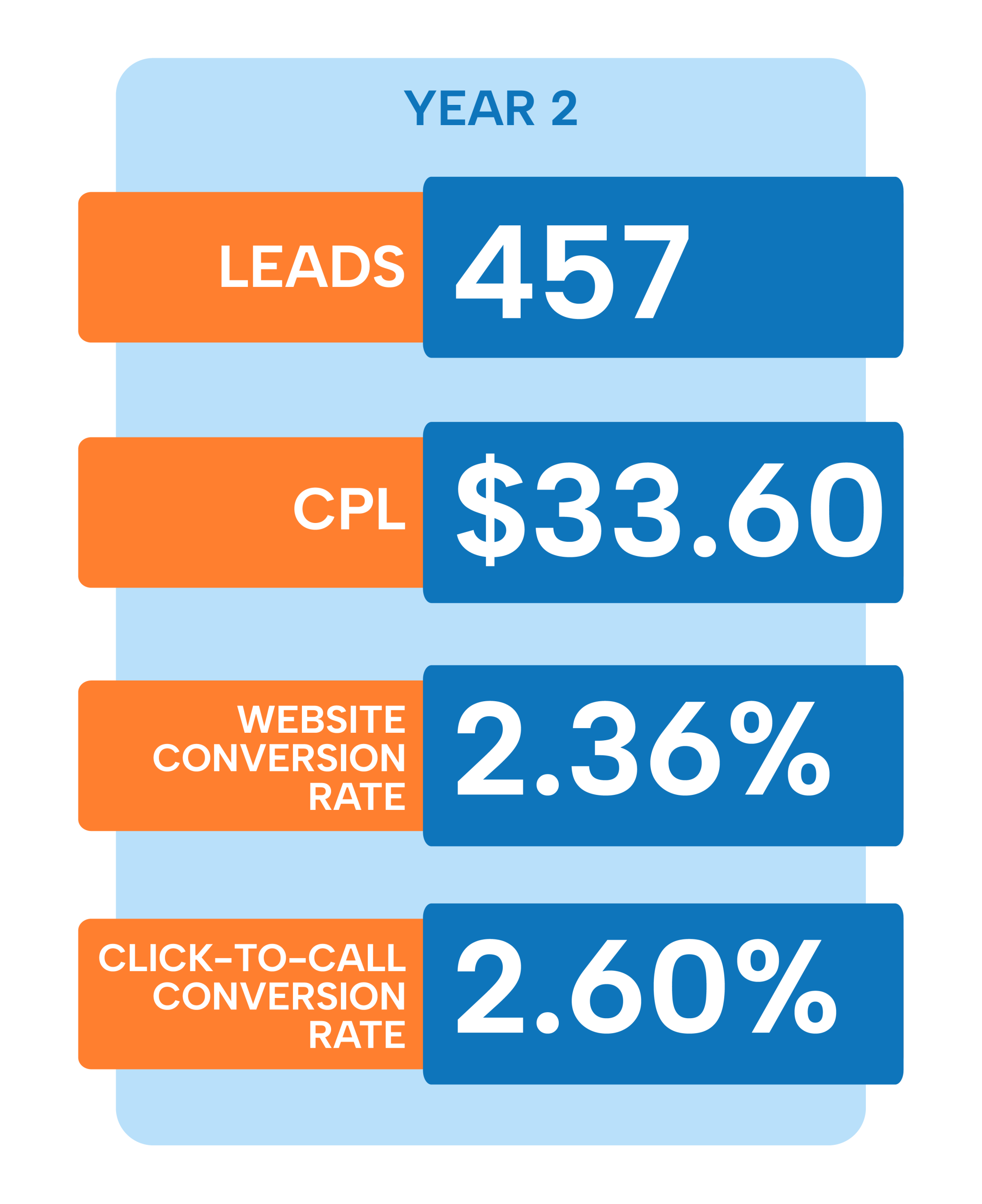
457 leads at $33.60 CPL, 2.36% website conversion rate, 2.60% click-to-call conversion rate from the profile. Lead volume up ~25% with lower cost, aided by stronger profile engagement and ongoing SEO strategy refinements.
Revenue Impact
The company reported a 175% increase in revenue during the two-year period—evidence that search engine results translated into opportunities that closed.
 We tracked performance with Google Analytics, kept a close eye on which pages and landing pages drove qualified leads, and iterated the content strategy accordingly.
Obstacles and How We Handled Them
Two headwinds required deliberate choices:
- Service-Area Visibility
Without a storefront, SABs typically get less map exposure. We made service areas explicit on pages, in the profile, and across other business listings, then optimized for queries that blend territory with need. There’s no separate B2B search engine, but B2B search behavior is distinct; we met it with location clarity and intent alignment. - Skepticism About ROI
The team wasn’t sure the investment would pay off. We shared a simple plan, measured what mattered, and avoided distractions. For instance, we prioritized intent-matched service pages over high-volume blog posts, and we used remarketing instead of broad pay per click campaigns. As the data stacked up, confidence followed.
(As a side note: Whether you sell fire safety or office furniture, the fundamentals hold—match search intent, be crystal clear about coverage and offers, and reduce friction.)
What Made the Difference

Intent over volume. We didn’t chase every search engine results pages variation. We targeted valuable keywords that bring the right audience—the ones most likely to become customers.

Precision around audience. We wrote for a specific audience—B2B decision makers—using the language of compliance and timelines. That attracts qualified leads faster than generic content.

Experience first. A fast, simple website with direct CTAs delivers a positive user experience and more conversions—before any talk of link building.

Measurement and iteration. With Google Analytics, we saw where traffic flowed, which landing pages worked, and where to create new content. Small improvements across the sales funnel add up.
How We Translate This Playbook to Your Business
If you’re considering B2B SEO services, here’s how we’d approach your company:
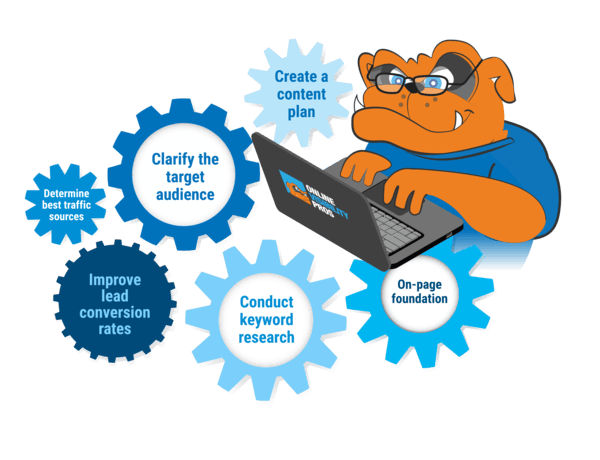
- Clarify the target market. Build simple buyer personas to understand search intent, objections, and next steps.
- Conduct keyword research. Identify relevant keywords and long tail keywords that reflect urgency and location. Avoid vanity search volume that doesn’t convert.
- Create content with a purpose. Prioritize service pages and landing pages that reduce friction; treat blog posts and thought leadership as support for authority, not substitutes for clarity.
- On-page foundation. Tune title tags, meta descriptions, internal linking, and structure. Make it easy for search engines to understand the site and for people to convert.
- Selective promotion. Use remarketing for return visits. Consider search engine marketing or Google Ads when you need incremental reach, but only if it meets your ROI guardrails.
- Iterate with data. Use analytics to see which keywords and pages feed sales, then refine the strategy.
 This is a proven way to align content marketing with revenue, draw a specific audience, and keep your sales team busy with qualified opportunities.
Why This B2B SEO Case Study Matters
This b2b seo case study is an example of staying focused on what actually moves numbers in B2B: meet the ideal customer where they are, answer the questions that matter, and keep the process effortless. In B2B, there’s no need to “win the internet.” You need to win the moments that send the right prospect to the right page at the right time.
And if you do decide to expand, you can layer in selective content marketing, light link building that earns backlinks from real partners, and targeted blog posts to support thought leadership—all without losing sight of the focus on leads.
Book An Online Visibility Strategy Session
If you want a clear plan to reach decision makers, earn maximum visibility where it counts, and turn search results into qualified leads, let’s talk. We’ll assess your site, map search intent to your services, and design a practical plan for generating leads in your territories. Book an Online Visibility Strategy Session and we’ll tailor this strategy to your target audience—so your company gets in front of the right audience and turns traffic into opportunities.
Want to embed this infographic on your website?